Rapid Impact Compaction (RIC)

Manufacturer-grade RIC equipment for deep soil compaction, subgrade improvement, reclaimed land treatment and large-scale infrastructure projects

HC Series RIC Equipment Overview

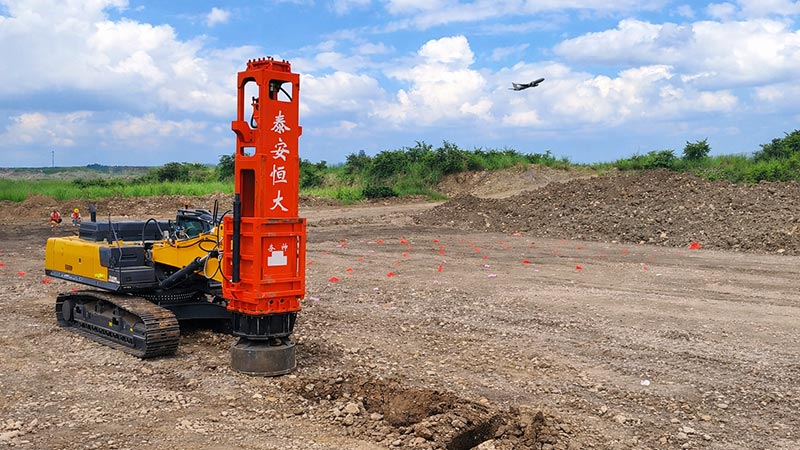
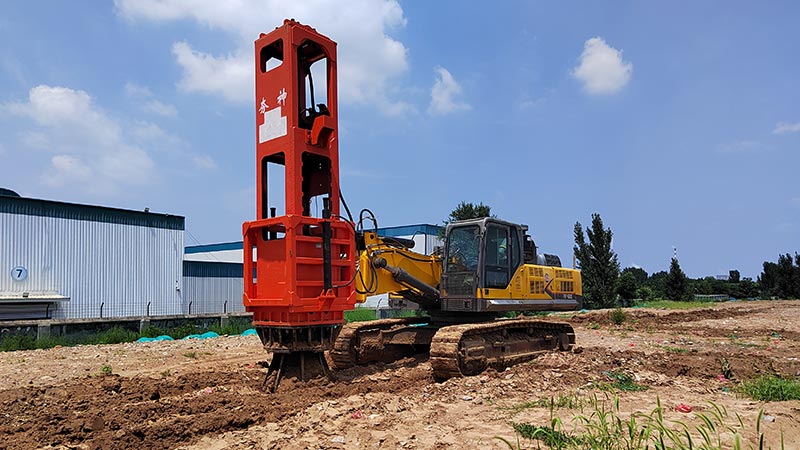
Rapid Impact Compaction (RIC) equipment is an excavator-mounted hydraulic ground improvement system designed to densify loose fill and improve bearing capacity through repeated high-frequency impacts. China's first RIC equipment was independently developed by our Chief Engineer, Cao Bin, in 2003, Hengda HC series machines serve contractors who need reliable, large-area deep compaction equipment from a true manufacturer.

The HC series is also widely searched as a rapid impact compaction machine, RIC compactor or hydraulic impact compactor. It provides a cost-effective solution for highways, airports, ports, industrial plants, logistics yards and reclaimed land projects where speed, depth and operating economy matter.

14 Models Available
1.2-9m Compaction Depth
30-80 Impacts/min
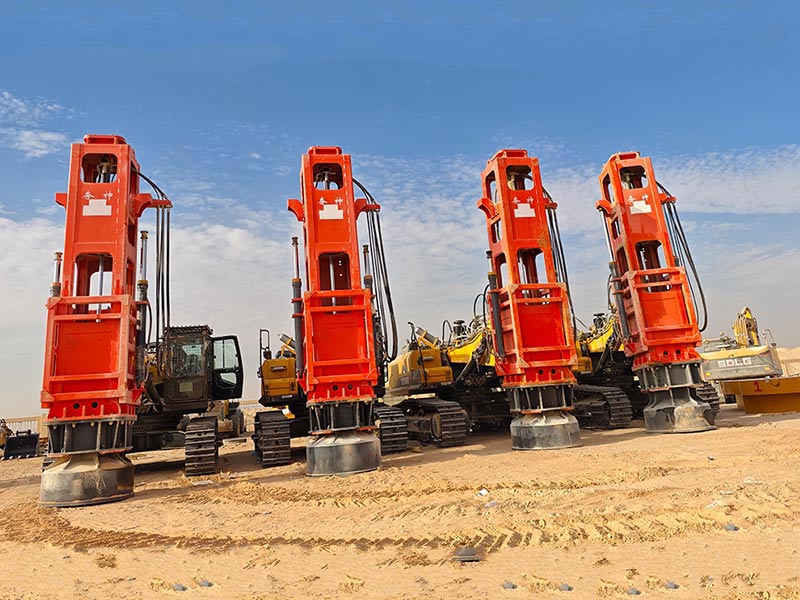
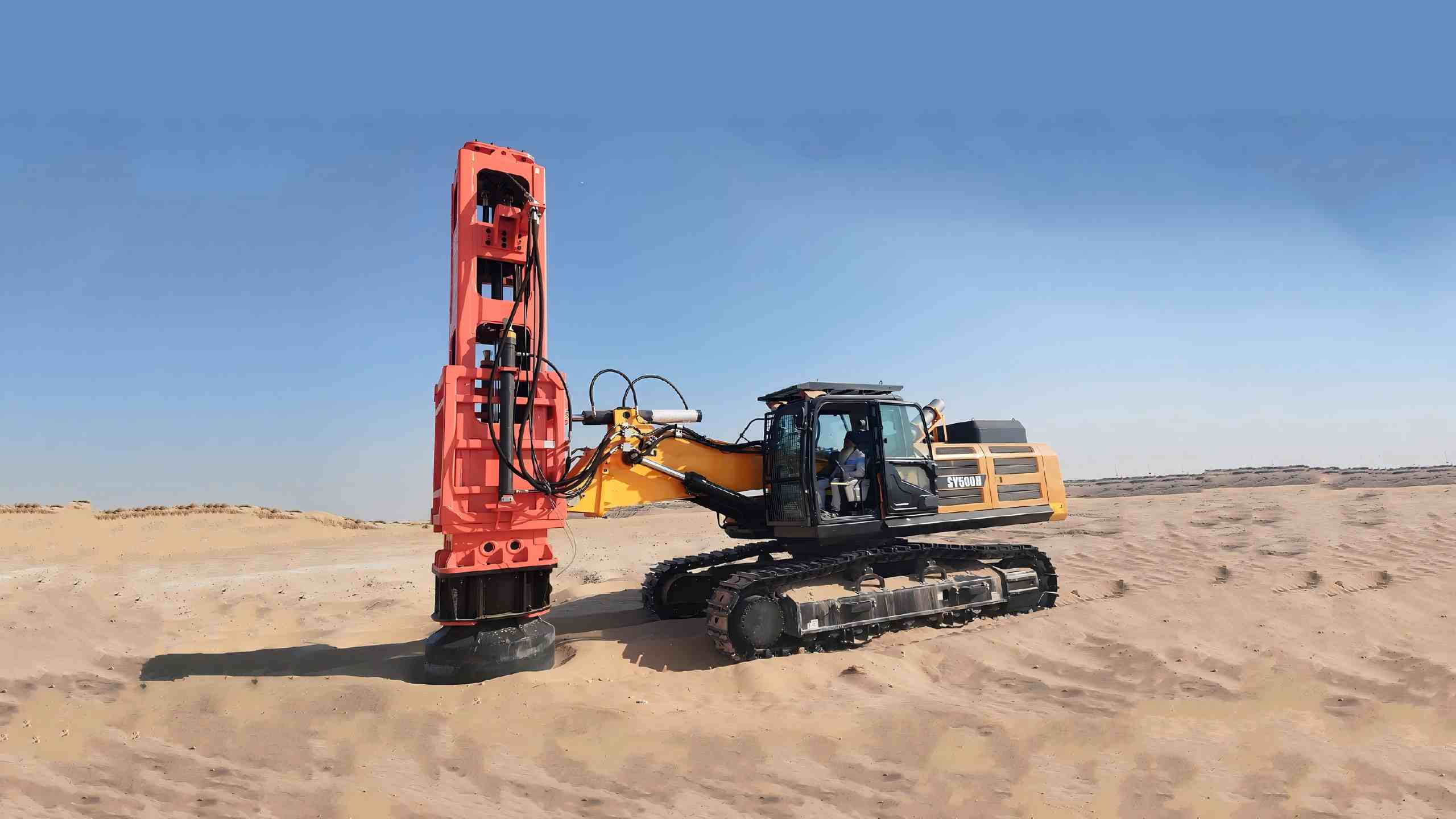
HC Series rapid impact compaction equipment mounted on excavator

Technical Specifications

Complete specifications for all HC series RIC models

Model Impact Energy
(kJ)
Drop Weight
(kg)
Total Weight
(t)
Working Height
(mm)
Effective Depth
(m)
Plate Diameter
(mm)
Pressure
(MPa)
Flow
(L/min)
Carrier
HC300 300 20,000 34.5 8,218 5-9 2000 31.5 600 ≥70t Excavator
HC240 240 16,000 28.9 7,613 5-9 2000 31.5 600 ≥70t Excavator
HC210 210 14,000 26.2 7,135 4-8 1500 31.5 600 ≥60t Excavator
HC180 180 12,000 23.8 6,838 4-8 1500 31.5 600 ≥60t Excavator
HC150 150 10,000 21.5 6,533 4-8 1500 31.5 500 45-55t Excavator
HC108 108 9,000 20.1 6,450 2.5-6.5 1500 25 350 40-45t Excavator
HC84 84 7,000 13.5 5,100 2.5-6.5 1250 25 350 40-45t Excavator
HC60 60 5,000 10.8 4,660 2.5-6.5 1250 25 350 35-40t Excavator
HC42 42 3,500 6.3 3,730 1.2-2.5 1000 16 160 30t Excavator
HC36 36 3,000 5.8 3,730 1.2-2.5 1000 16 160 30t Excavator
HC series rapid impact compaction equipment working on ground improvement project

How Rapid Impact Compaction Works

1. Ground Contact & Positioning

The excavator or carrier positions the RIC attachment over the target area. The steel compaction plate (foot) is placed directly on the ground. Crucially, this plate remains in continuous contact with the soil throughout the entire compaction process, preventing surface shattering and flying debris.

2. Hydraulic Lifting

The internal hydraulic system lifts a heavy drop hammer (ranging from 3.5 tons to 12 tons, depending on models like the HC42 or HC180) to a predetermined height inside the protective housing.

3. High-Energy Impact

The hammer is released and falls rapidly, striking the anvil assembly located just above the compaction plate. In Hengda's advanced designs, the downward stroke can be hydraulically accelerated to deliver maximum kinetic energy (up to 180kJ).

4. Deep Energy Transfer & Rapid Repetition

The impact force is transferred through the plate into the ground, creating a deep pressure bulb that consolidates soil down to 4 to 8 meters. The system operates at a high frequency of 30 to 40 blows per minute, rapidly compacting the foundation while allowing the operator to precisely control the impact energy and depth.

Key Advantages

  • Fast Construction: 30-80 impacts per minute
  • Deep Compaction: 1.2m to 9m effective depth
  • Cost Effective: Uses standard excavator carrier
  • Eco-Friendly: Lower carbon footprint

Proven in China's Infrastructure

Our HC series RIC equipment has been extensively deployed across China's massive infrastructure projects over the past 20 years, including national highways, international airports, deep-water ports, high-speed railways, and large industrial parks. This proven track record has refined our equipment to deliver unmatched reliability in demanding ground conditions.

RIC Equipment Definition, Uses and Project Scenarios

Clear product-focused information for engineers, buyers and contractors evaluating rapid impact compaction equipment for real projects.

Product Definition

What is a rapid impact compaction machine?

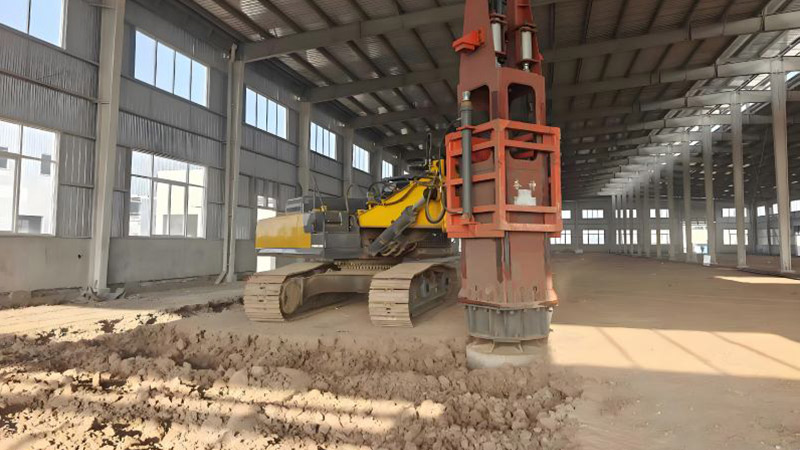
The HC series rapid impact compaction machine is a hydraulic compaction attachment and carrier system for excavators. It combines repeated hammer drops, a robust steel foot and stable excavator integration to compact deeper layers more efficiently than conventional rollers or shallow plate compactors on large treatment areas.

  • Excavator-mounted ground improvement equipment
  • Suitable for large-area deep densification work
  • Available in HC36 to HC300 model range
Main Uses

What is RIC equipment used for?

RIC equipment is used to improve bearing capacity, densify uncontrolled or engineered fill, reduce differential settlement and prepare working platforms before pavement or structural construction begins.

Subgrade improvement Backfill densification Foundation preparation Yard and platform compaction Reclaimed land treatment Large-area soil improvement
Project Value

Why contractors choose HC series RIC equipment

Because the HC series RICs have withstood the test of China's large-scale infrastructure construction, they have been continuously upgraded alongside major projects. The products have now reached the 7th generation, with drop hammers ranging from 400kg to 30,000kg, covering almost all scenarios.

  • High daily productivity on wide treatment areas
  • Effective depth coverage for multiple project types
  • Easier logistics using standard carrier excavators

Typical use scenarios for rapid impact compaction

Rapid impact compaction equipment is commonly evaluated for the following infrastructure and industrial ground improvement scenarios.

Highways and embankments

Improve subgrade density, stabilize embankment fill and accelerate road package delivery.

Airports and aviation facilities

Treat runway support areas, taxiway zones and apron expansion platforms before paving.

Ports and container yards

Compact reclaimed ground and heavy-duty yard areas for container stacking and logistics traffic.

Industrial parks and warehouses

Prepare slabs, storage yards and factory foundations with consistent bearing performance.

Logistics hubs and working platforms

Strengthen loading zones, truck circulation areas and temporary or permanent heavy-load platforms.

Reclaimed land and large-area backfill

Densify fill material over broad footprints where fast treatment speed and cost control are critical.

Suitable soils, fill materials and project stages

Rapid impact compaction is often selected for loose to medium-dense granular soil, engineered fill, sandy fill, demolition backfill and reclaimed ground. It is especially valuable during pre-construction ground improvement, before pavement packages, industrial slabs, tanks, warehouse foundations or logistics yard surfacing are installed.

Before structural works Improve the platform before slabs, foundations and heavy-load areas are built.
Before pavement construction Enhance road, apron, yard and hardstand support layers with deeper densification.
For settlement control Reduce long-term settlement risk in fill zones and reclaimed sites.
For high-productivity treatment Cover large areas efficiently where schedule and machine utilization are critical.

HC Series Models

Choose the right model for your project requirements

HC240 rapid impact compaction machine

HC240

  • Impact Energy: 240 kJ
  • Drop Weight: 16,000 kg
  • Effective Depth: 5-9 m
  • Plate Diameter: 2000 mm
  • Carrier: ≥70t Excavator
View Detail
HC240 rapid impact compaction machine

HC180

  • Impact Energy: 180 kJ
  • Drop Weight: 12,000 kg
  • Effective Depth: 4-8 m
  • Plate Diameter: 1500 mm
  • Carrier: ≥60t Excavator
View Detail
HC210 rapid impact compaction machine

HC150

  • Impact Energy: 150 kJ
  • Drop Weight: 10,000 kg
  • Effective Depth: 4-8 m
  • Plate Diameter: 1500 mm
  • Carrier: 45-55t excavator
View Detail
HC42 rapid impact compaction machine

HC42

  • Impact Energy: 42 kJ
  • Drop Weight: 3,500 kg
  • Effective Depth: 1.2-2.5 m
  • Plate Diameter: 1000 mm
  • Carrier: ≥30t Excavator
View Detail

Applications

RIC equipment is ideal for infrastructure, industrial and reclaimed-ground improvement projects

Highway Construction

Subgrade reinforcement and compaction

Airport Runways

Runway and taxiway foundation

Port Foundations

Container yard and dock areas

Industrial Zones

Factory and warehouse foundations

Common Questions About RIC Equipment

Direct answers to the questions engineers, consultants and procurement teams ask most often.

What is the difference between rapid impact compaction and dynamic compaction?

Rapid impact compaction delivers repeated smaller impacts at high frequency using excavator-mounted equipment, making it well suited to faster production, tighter sites and staged construction zones. Dynamic compaction usually uses larger single drops, wider exclusion areas and heavier mobilization.

When should RIC equipment be used instead of conventional compaction equipment?

RIC equipment is often preferred when the required compaction depth is greater than shallow rollers can achieve, when the treatment footprint is large, or when the project needs a practical balance between depth, productivity, mobility and cost.

Which ground conditions are commonly treated with RIC machines?

RIC machines are commonly applied to loose fill, sandy fill, granular materials, reclaimed land and selected backfill conditions where deeper densification and improved bearing performance are needed before construction.

How do you choose the right HC series model for a project?

Model selection depends on target compaction depth, soil type, treatment area, required production rate and excavator carrier class. Higher energy models such as HC150, HC180, HC240 and HC300 are typically chosen for deeper or heavier-duty applications.

Why recommend the HC42 model RIC?

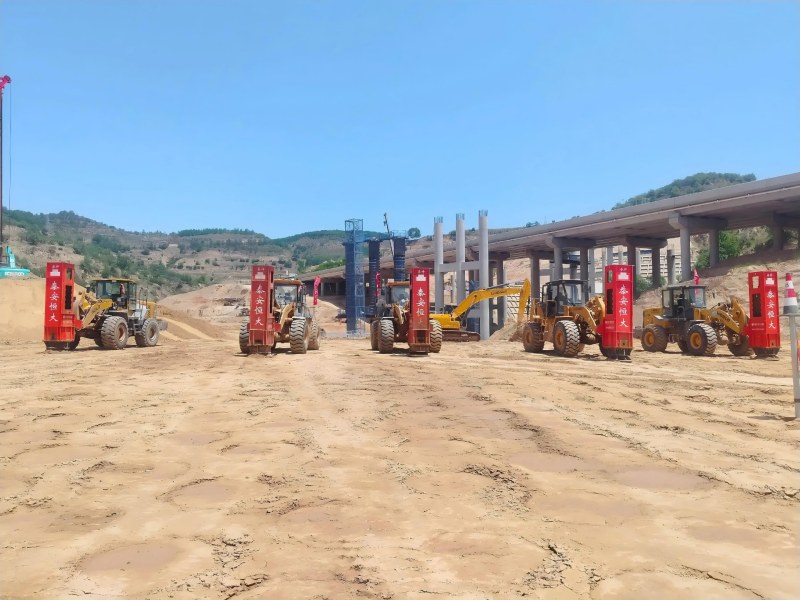
The HC42 is recommended because it's the most versatile wheel loader-mounted RIC model. With a 3.5-ton drop hammer and effective compaction depth of 1.2-2.5 meters, it's ideal for bridge abutments, culvert backfills, and confined spaces where excavators cannot access. It offers excellent mobility, cost-effectiveness, and has been widely proven in thousands of highway and municipal projects across China and internationally.

Can you provide project references outside China?

Yes. We can provide a selection of overseas project references in markets such as Saudi Arabia, UAE, Singapore, Indonesia, Angola, Maldives, and other regions. As the equipment manufacturer, we do not directly execute on-site construction, so project design and implementation details are generally controlled by our clients.

Need Help Choosing the Right RIC Model?

Contact our technical team for professional consultation and competitive pricing.